A well-designed curvature allows airflow to form a smooth boundary layer on the blade surface, reducing turbulence and energy loss.
As an intelligent temperature control component, the value of a two-speed fan lies not only in providing two speed options but also in its ability to dynamically adjust its operating state based on real-time heat load.
This design is not only suitable for static rainfall scenarios, but also reduces the risk of infiltration by dispersing the impact of rainwater through the slope under wind force.
The advent of the remote control single-speed fan has completely changed this interaction mode. Through infrared or radio frequency wireless communication technology, it condenses complex control logic into a small remote control, allowing users to precis
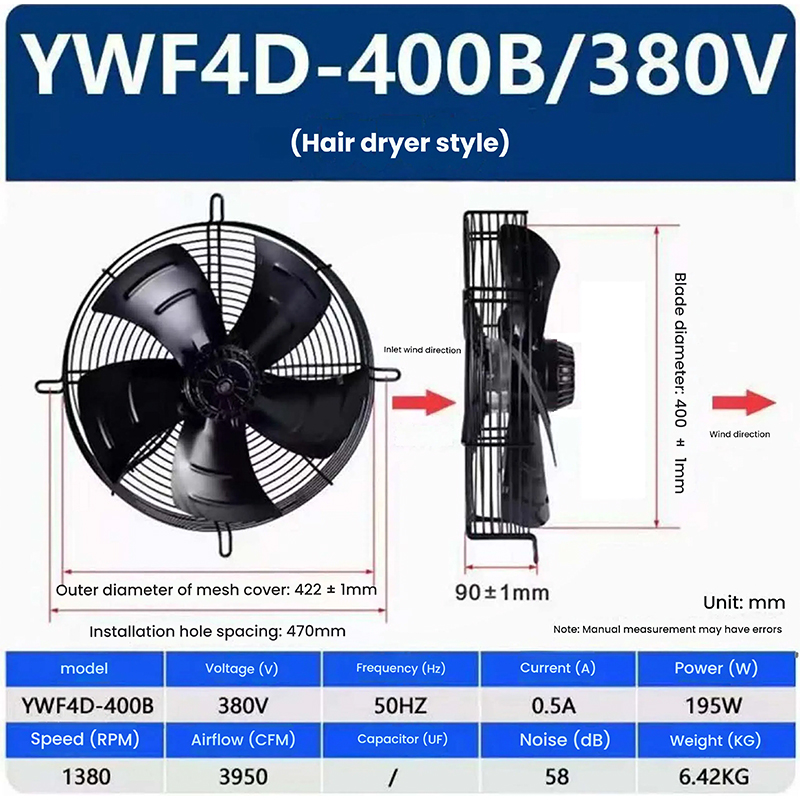
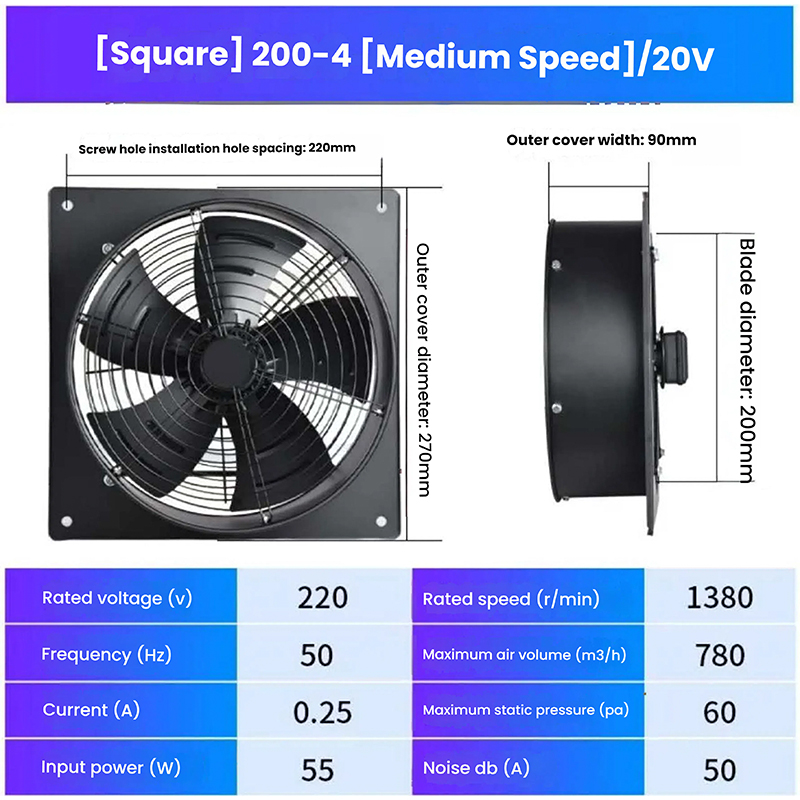
The louvered outer rotor axial fan, with its unique structural design and drive method, successfully integrates efficient heat dissipation with an extremely compact layout, becoming an ideal solution for thermal management of modern electromechanical equi
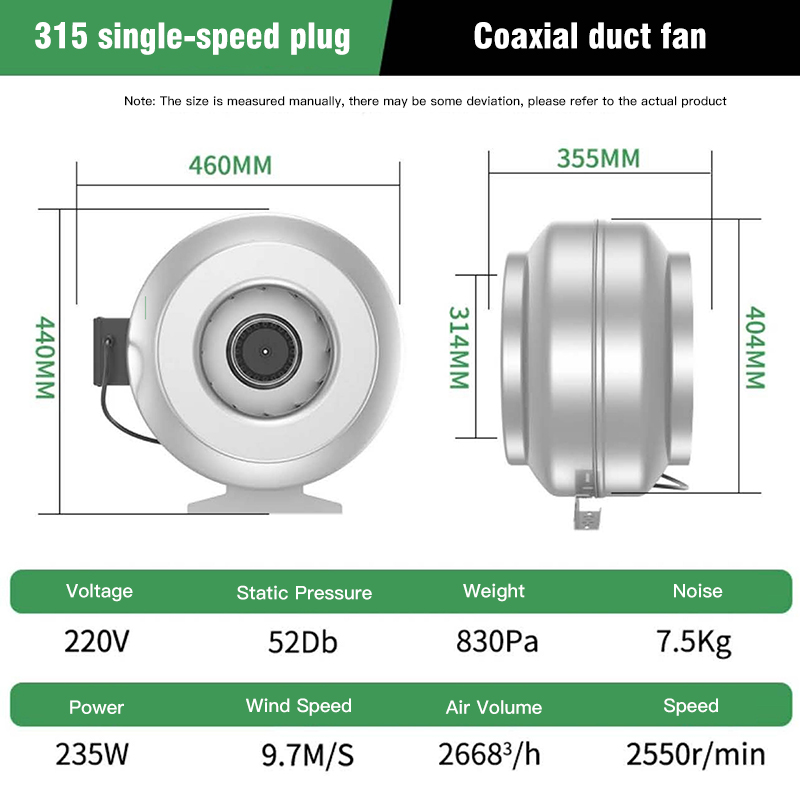
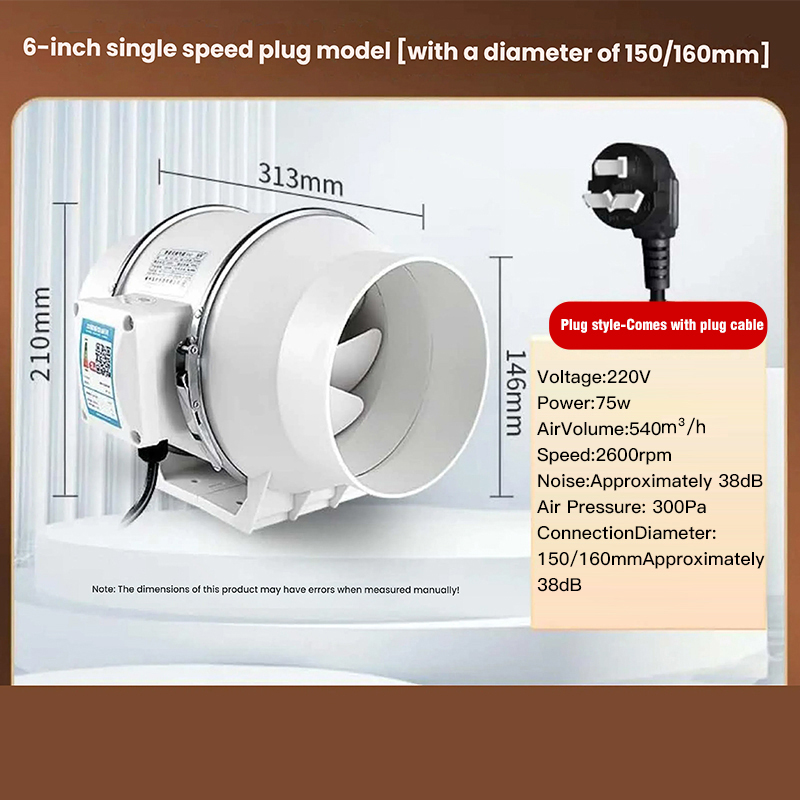
In an era where simplicity, speed, and adaptability are increasingly valued in consumer and commercial products, the single-speed plug-in fan stands out as a model of functional efficiency. Designed with a straightforward operation interface and a standar